
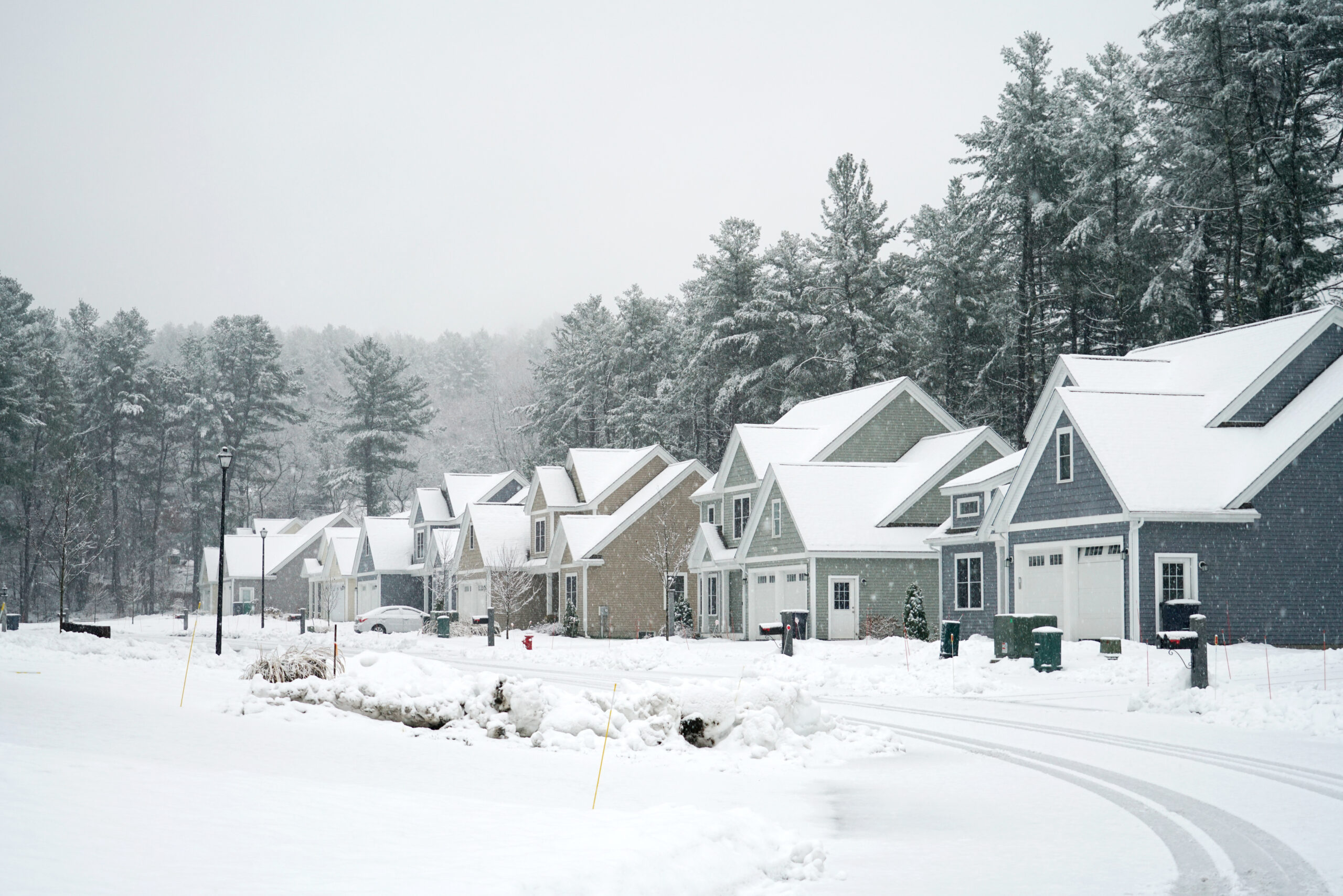
With 2025 winding down this week, many of us are already reaching for the shovels and winter gear. As temperatures dip and the flakes begin to fall, now more than ever, it’s important to be prepared for what weather may come your way.
According to the National Weather Service, your local NWS office will issue warnings, watches, and advisories based on specific criteria.
Did you know? According to Ready.gov, 63% of temperature-related deaths are attributed to cold exposure.
While winter weather alerts provide valuable notice, it’s important to stay prepared for sudden or unexpected conditions that may develop.
The NWS and National Oceanic and Atmospheric Association (NOAA) have created a winter preparedness checklist that can be used to prepare for the season. Among the auto-related tips:
- Check your engine fluid levels, including oil, coolant, washer fluid, etc.) – consider Synthetic Oil, as it handles cold better.
- Test your battery and replace it if necessary.
- Use a de-icing washer fluid – helpful for cleaning windshields at low temperatures!
- Inspect tire tread and replace if near wear limit.
- Install snow tires, if possible.
- Test your headlights & taillights. Put together a winter survival kit for your vehicle that includes, but is not limited to: a flashlight & extra batteries, a first aid kid, snow shovel, ice scraper & brush, blankets and/or a sleeping bag, bottled water, booster cables, non-perishable food (such as granola bars, nuts, etc.), extra clothing (mittens, hats, coats, winter boots), sand/kitty litter (for traction), your cell phone & charter, and flares/triangles.
FEMA.gov advises the following road tips to help you navigate winter conditions:
- Keep your gas tank as full as possible.
- Increase following distance – it takes longer to slow down and stop on icy roads!
- Be prepared with emergency phone numbers; inform others of the route you will be taking and your estimated time of arrival.
- Ensure that your building’s HVAC system is regularly checked and maintained.
- Prepare your roof through regular maintenance, inspection, & gutter cleaning.
- Generators can be helpful in the event of a power outage. Ensure that you and your team are educated on how to use yours correctly, and follow the manufacturer’s instructions to protect against the risk of carbon monoxide poisoning.
- Solidify snow removal plans, specifying when and how often snow/ice removal will be conducted, and include documentation. If a service provider is used, be sure to secure a formal contract outlining the scope of work agreed upon, and include a collection of certificates of insurance.
Certain industries, jobs, and work sites can increase employee exposure to cold-related illness and injury, putting your team members at risk of frostbite, hypothermia, chillblains, trench foot, and more.
According to the Centers for Disease Control & Prevention (CDC), there are numerous steps employers can take to protect employees who must work in the cold. Among them:
- When possible, limit the amount of work conducted outdoors on extremely cold days.
- Alter work times to match the warmest times of the day.
- Increase breaks and provide an area for employees to warm up.
- Provide proper PPE for your employees, and dress in layers to keep warm as temperatures dip.
- Stay alert! Ensure temperatures are being monitored regularly, including wind chill.
Tower heaters can be used to extend the use of outdoor spaces into the colder months. But with the warmth provided by portable indoor and outdoor heaters comes increased risk of property damage and customer injuries. Here, we share 5 best practice tips for safe usage!
1 Clear space around the heater of items that could be flammable or impact the use of the heater, including: storage, roofs, eves, umbrellas, trees, and banners. Ensure nothing is tied to heaters, including banners, balloons, posters, or sun shades.
2 Ensure that the appropriate heater type is being used for the surrounding environment, and follow manufacturer recommendations for appropriate use.
3 Keep heaters on a stable surface out of main patron walkways.
4 Train employees on use of the heaters, warning signs, and escalation procedures.
5 Be vigilant with their usage! Only turn portable heaters on when they are needed, people are present, and weather/building conditions allow. Turn propane tanks off when not in use.
Learn more in this article from the National Safety Council!
The most important winter & cold weather preparedness tip of all? Have a plan in place ahead of time! Cold/winter weather preparedness should be part of a company’s Emergency Response Plan. This plan should include communication to employees, assessment, planning, controls, training, and drills. Preparedness is the best protection against the cold!