
Get a Lumber Specialty Insurance quote from our Tennessee specialists
TRM Insurance
What is Lumber Specialty Insurance and Who Needs It in Tennessee?
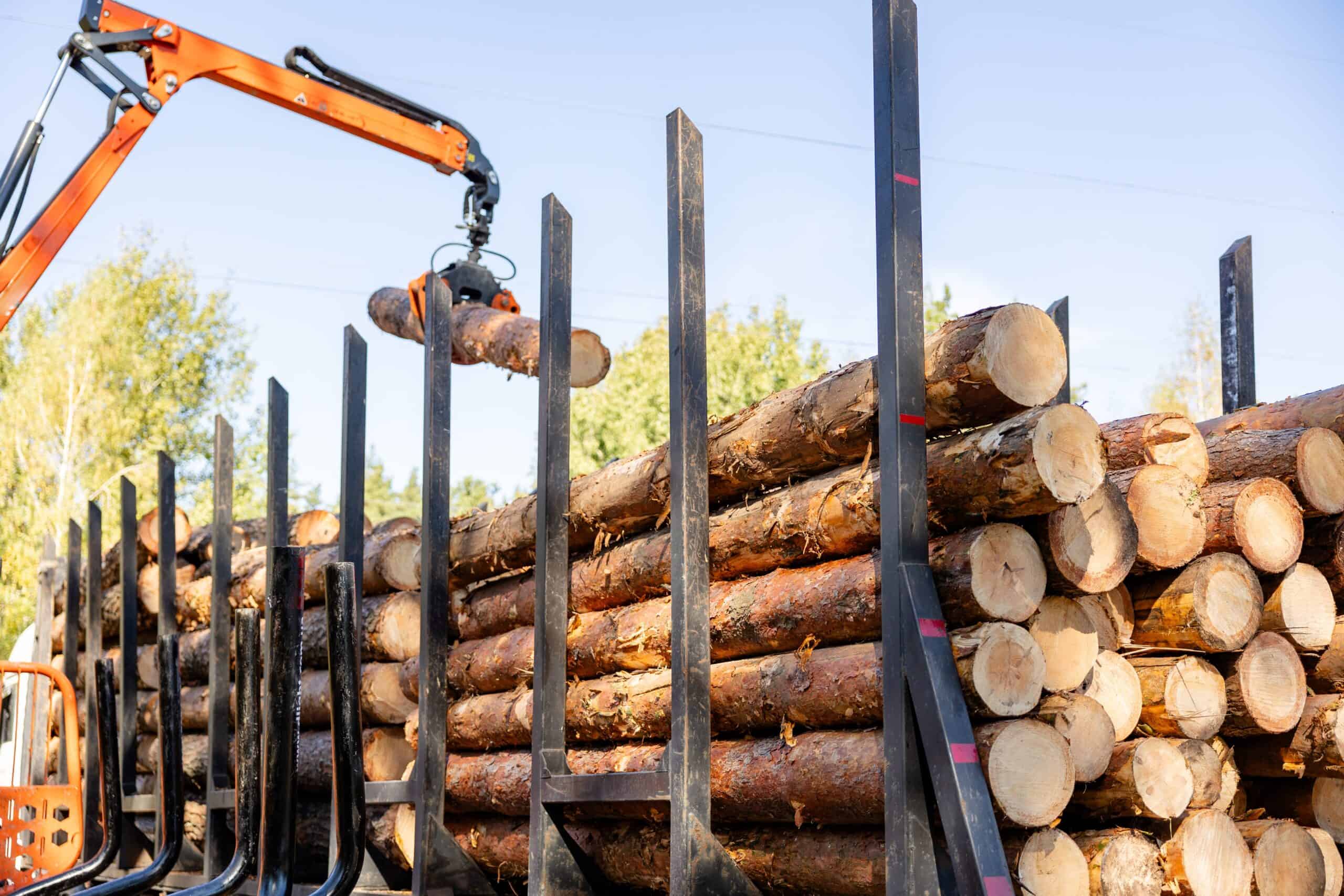
Lumber Specialty Insurance is a highly targeted commercial insurance solution designed to protect businesses that harvest, process, transport, or sell wood products. The wood industry faces unique exposures that standard commercial general liability policies simply cannot handle. From devastating sawmill fires caused by combustible sawdust to heavy equipment failures deep in the woods, standard business insurance leaves massive gaps in coverage. This is where specialized Forest Products Insurance comes into play, offering tailored protection for every stage of the timber lifecycle. In Tennessee, the timber and wood products industry is a major economic driver. If your business operates a commercial sawmill, runs a retail or wholesale lumber yard, manufactures wood pallets, or manages a logging crew, you need this specialized coverage. Wood manufacturing plants, cabinet makers, and timber owners also rely heavily on these policies. By choosing a policy built specifically for the wood industry, business owners secure protection for specialized machinery like debarkers, band mills, and dry kilns, while also protecting their raw inventory and finished wood products from catastrophic loss. Without this specific protection, a single equipment fire or a serious logging accident could easily bankrupt an unprotected business. Furthermore, transport companies that haul raw logs from the harvest site to the mill require specialized transit coverage. The physical risks of loading and securing heavy timber mean that standard cargo insurance is often inadequate. When you invest in a policy designed specifically for the wood industry, you are not just buying general liability. You are securing specialized property insurance, inland marine coverage for mobile equipment, and business interruption protection tailored to the seasonal realities of forestry operations.
What is a Real-World Example of Lumber Specialty Insurance in Action?
To understand how this specialty coverage works in practice, consider a family-owned sawmill operating in the eastern part of the state. During a dry summer month, static electricity ignites fine wood dust near the primary conveyor system. Despite the team’s quick response, the fire spreads rapidly, destroying a critical band mill and damaging a large batch of drying hardwood inventory. Without specialized coverage, the business would face hundreds of thousands of dollars in equipment replacement costs and lost revenue during the rebuild. Fortunately, the owner carried a Forest Products Insurance policy with robust business interruption and specialized equipment breakdown coverages. The policy paid for the replacement of the high-end band mill and covered the lost market value of the destroyed hardwood. Crucially, the business interruption portion of the policy provided cash flow to keep key employees on the payroll while the facility was rebuilt, preventing a permanent shutdown. The following table illustrates the current year data for claims and coverage adoption among wood-related businesses:
| Business Category | Active Policies | Annual Claims Filed (Current Year) | Primary Claim Cause |
|---|---|---|---|
| Sawmills & Dry Kilns | 340 | 42 | Equipment Fire / Dust Explosion |
| Logging & Timber Harvesting | 510 | 68 | Equipment Rollover / Transit Damage |
| Lumber Yards & Distributors | 280 | 15 | Premises Liability / Inventory Theft |
| Wood Product Manufacturers | 410 | 31 | Machinery Breakdown / Product Liability |
This data highlights how common claims are across different sectors of the industry. Sawmills and logging operations face the highest risk of severe claims, making specialized coverage an absolute necessity rather than an optional luxury.
How Much Does Lumber Specialty Insurance Cost in Tennessee?
The cost of Lumber Specialty Insurance in Tennessee depends on several key risk factors. Insurance carriers evaluate your specific operations, your annual revenue, the value of your specialized machinery, and your business’s safety history. For example, a logging operation working on steep mountain terrain faces higher risks and therefore higher premiums than a retail lumber yard operating on a flat commercial lot. Safety measures, such as automatic dust suppression systems in sawmills and formal safety training programs for logging crews, can significantly lower your premiums. To give you a clearer picture of what to expect, the table below outlines typical pricing and deductible ranges for various types of wood businesses:
| Business Type | Average Annual Premium Range | Standard Deductible | Typical Coverage Limit |
|---|---|---|---|
| Small Logging Crew | $4,500 – $8,500 | $1,000 | $1,000,000 / $2,000,000 |
| Medium Sawmill Operation | $12,000 – $25,000 | $5,000 | $2,000,000 / $4,000,000 |
| Retail Lumber Yard | $3,500 – $7,000 | $1,000 | $1,000,000 / $2,000,000 |
| Pallet Manufacturer | $6,000 – $11,000 | $2,500 | $1,000,000 / $2,000,000 |
While these figures represent averages, your actual cost will depend on your unique risk profile. Working with an agent who understands the timber industry ensures you do not pay for unnecessary coverages while keeping your vital assets fully protected.
What Should You Consider and What Are the Limitations of Lumber Specialty Insurance?
When looking for Lumber Specialty Insurance, you must carefully evaluate your policy’s specific terms, conditions, and limitations. Not all policies are created equal, and a cheap policy often contains exclusions that can leave your business vulnerable when a crisis occurs. One major consideration is how the policy values your property and equipment. You should look for actual cash value versus replacement cost coverage. For specialized wood processing machinery, replacement cost coverage is almost always the smarter choice, as older machinery is highly expensive to replace with modern equivalents. Another critical factor is the limitation on mobile equipment. Logging equipment like feller bunchers, skidders, and forwarders operate in harsh environments. Standard property insurance does not cover this equipment once it leaves your main business premises. You must ensure your policy includes an inland marine rider to protect your mobile assets while in transit or operating deep in the forest. Additionally, you must be aware of common policy exclusions. Most policies will not cover damage caused by a lack of basic maintenance, normal wear and tear, or intentional safety violations. For example, if a sawmill fire occurs because the business failed to clean accumulated sawdust as required by safety guidelines, the insurer might deny the claim. Carefully read the fine print regarding wet and dry rot, insect damage to standing timber, and specific geographical limits on logging operations to avoid devastating surprises during the claims process.

What Other Insurance Coverages Work with Lumber Specialty Insurance?
While Lumber Specialty Insurance provides the foundation for your business protection, it works best when combined with other commercial policies. This is where Forest Products Insurance works best when combined with other commercial policies. A thorough risk management plan requires a layered approach to cover all aspects of your operations, from your employees to your commercial vehicles. The table below highlights the key coverages that you should use in conjunction with your specialized lumber policy to ensure complete protection:
| Related Coverage | What It Covers | Why It Complements Lumber Specialty Insurance |
|---|---|---|
| Workers’ Compensation | Employee medical expenses and wages for work injuries. | Essential for high-risk logging and sawmill environments. |
| Commercial Auto Insurance | Liability and physical damage for business trucks. | Protects your fleet when transporting heavy logs or finished lumber. |
| Inland Marine Insurance | Mobile equipment and cargo while in transit or off-site. | Covers expensive logging machinery and timber inventory away from yard. |
| Umbrella Liability | Additional liability limits above your primary policy caps. | Provides extra protection against catastrophic lawsuits or massive claims. |
By combining these coverages, you build a resilient safety net that protects your business from virtually any operational threat.
What Are the Key Statistics for Lumber Specialty Insurance in Tennessee?
The forestry and wood products industry in Tennessee is both highly productive and inherently risky. Understanding the industry’s local footprint and safety trends can help business owners make informed decisions about their coverage needs. Tennessee boasts over 14 million acres of forestland, which supports thousands of local jobs and generates billions of dollars in economic activity annually. However, this massive scale also brings a high volume of insurance claims due to the physical dangers associated with timber harvesting and wood processing. To illustrate the scale and safety realities of the industry, consider the following statistics compiled from state forestry and insurance industry reports for the current year:
| Industry Metric | Tennessee State Value | Safety & Insurance Impact |
|---|---|---|
| Total Forestland Area | 14.1 Million Acres | High exposure to wildfire and timber damage risks. |
| Forestry Industry Jobs | Over 40,000 Employees | Requires robust workers’ compensation and liability coverage. |
| Annual Economic Impact | $24.3 Billion | Highlights the high value of insured business assets and revenue. |
| Average Sawmill Fire Claims | 14 Incidents Annually | Underscores the critical need for specialized property coverage. |
| Logging Equipment Loss Rate | 1.8% of Active Fleets | Demonstrates the high frequency of inland marine claims. |
These statistics show that the wood products sector is a cornerstone of the state’s economy, but it requires diligent risk management. With millions of dollars in machinery and inventory at stake, securing specialized Forest Products Insurance is a fundamental business practice for Tennessee operators.
How Can You Get a Lumber Specialty Insurance Quote in Tennessee?
Securing the right coverage for your wood business does not have to be a stressful process. We specialize in helping wood industry professionals protect their livelihoods with tailored insurance solutions. In fact, we proudly help over 84 customers with their Lumber Specialty Insurance needs right here in Tennessee. Our deep understanding of the local timber market, sawmill operations, and logging risks allows us to build policies that offer maximum protection without unnecessary costs. We take pride in our service, which is reflected in our highly rated Google My Business page. Our clients trust us because we do not use high-pressure sales tactics. Instead, we focus on understanding your specific business operations, identifying potential coverage gaps, and finding the most competitive rates available in the market. Whether you run a large-scale commercial sawmill, a local lumber yard, or a mobile logging crew, we are here to help you secure your business’s future. Contact our office today to discuss your coverage options. We can offer detailed, customized quotes without any sort of obligation, allowing you to compare options and make the best decision for your business.
Get a Quote
Share your details with us, and our team of friendly agents will be in touch with you soon!